30 Oct 2026
How Analytics Reveal Connections Between Promotional Timing and Feature Triggers Across Reel and Table Formats in Digital Platforms
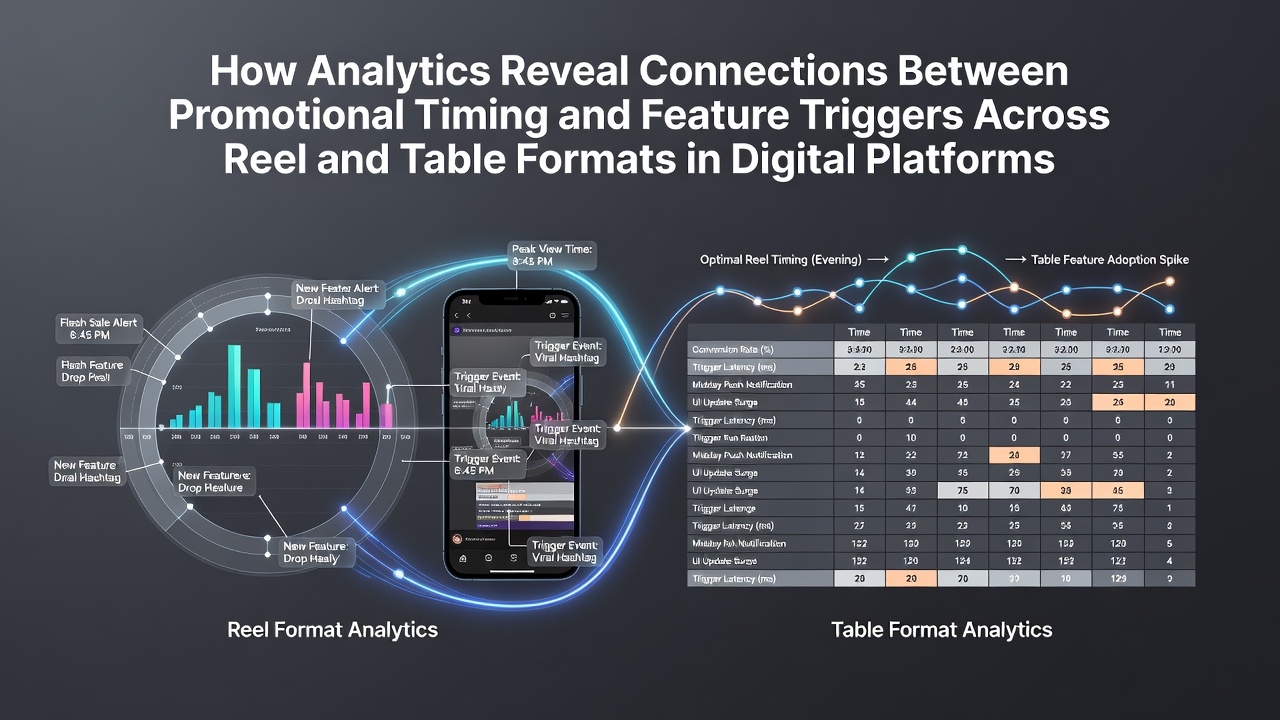 Digital platforms have turned to detailed analytics to track how promotional timing aligns with the activation of special features, and this approach applies equally to reel-based games and table game formats where timing often determines when bonus rounds or side features appear. Observers note that platforms collect session-level data on offer deployment alongside trigger events, creating datasets that span months of continuous operation across multiple titles.
Promotional Timing Structures in Digital Environments
Promotions arrive through scheduled windows, flash offers, or segmented campaigns that target specific player cohorts, while feature triggers depend on random number generator outcomes or progressive accumulation mechanics. Researchers have documented that reel formats frequently tie bonus symbols to reel stops, whereas table formats link triggers to card combinations or bet multipliers during live rounds. Data indicates these elements interact when a promotion increases session length or bet frequency at the precise moment a feature becomes available.
Platforms segment promotional calendars by day of week, hour of day, and player tenure, adn analysts cross-reference these segments against trigger logs to identify clusters where activation rates rise or fall. One study revealed that offers deployed during evening peak hours coincided with elevated trigger rates in progressive reel titles, yet the same timing produced different patterns in blackjack variants where side bet features dominate.
Reel Format Dynamics and Trigger Patterns
Reel games rely on symbol alignment for base features such as free spins or pick-and-win rounds, and analytics track how promotional credits or deposit matches extend playtime until those alignments occur. Evidence suggests that when promotions launch immediately before scheduled jackpot resets, reel sessions show measurable increases in feature entries because additional spins occur during the critical window. Figures from platform operators show that reel titles with frequent mini-feature triggers respond more visibly to timed reload bonuses than titles with rarer but larger bonus events.
Table Format Variations in Feature Activation
Table formats incorporate features through side bets, insurance options, or progressive side pots, and these activations depend on both player decisions and card sequences. Analytics reveal that promotional timing affects table play when offers encourage longer sessions or higher average bets, thereby raising the statistical likelihood of rare card combinations that unlock multipliers. Those who have examined table data note that live dealer environments generate timestamped logs that allow precise mapping of promo start times against feature hits across hundreds of concurrent tables.
Analytical Techniques Linking Timing and Triggers
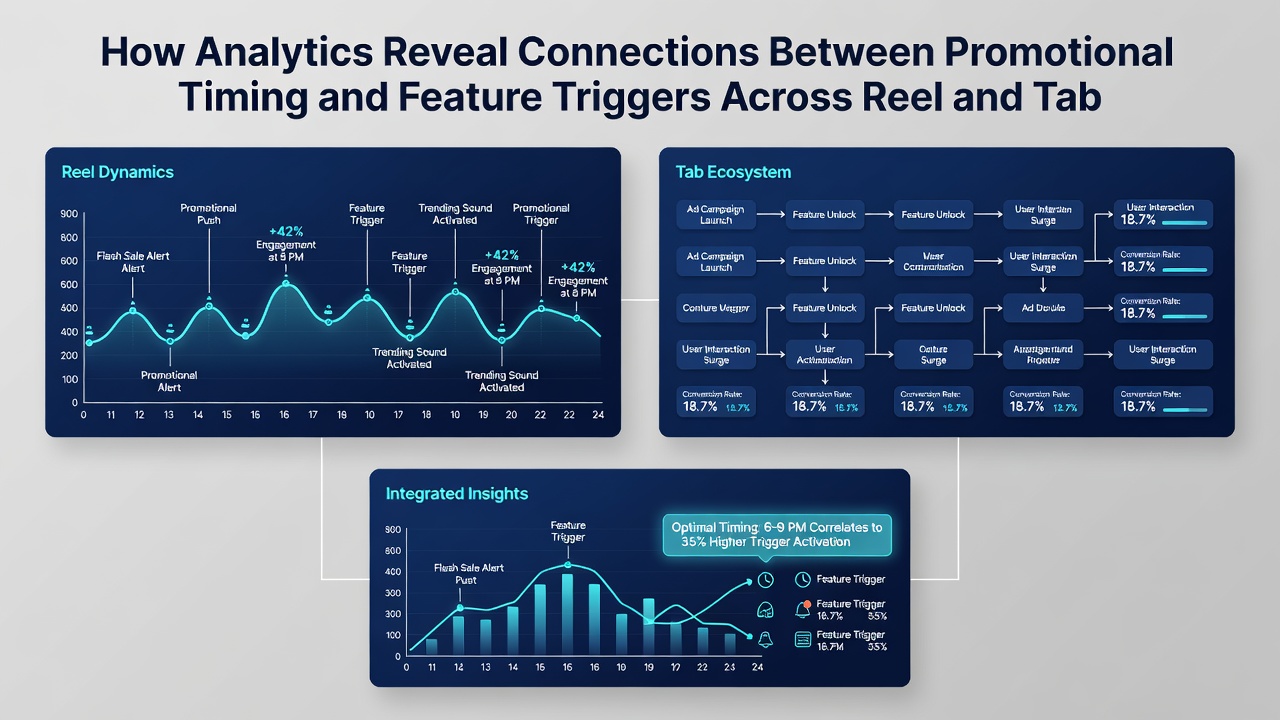
Teams apply time-series analysis and cohort segmentation to isolate the effect of promotional windows on feature rates, and they often employ regression models that control for game volatility and player demographics. Platforms integrate these models with real-time dashboards that flag when a promotion window produces statistically significant deviations from baseline trigger frequencies. Data from October 2026 analyses showed continued refinement of these models as operators incorporated machine learning to predict optimal promo placement for both reel and table catalogs simultaneously.
Cross-format comparisons become possible when unified data lakes store reel and table events under common schemas, allowing queries that contrast how a midday reload bonus affects scatter-triggered free spins versus blackjack side bet activations. External reports from the Alcohol and Gaming Commission of Ontario have outlined similar data aggregation practices among licensed operators, while research summaries published by the Victorian Responsible Gambling Foundation have examined timing variables in remote gaming environments.
Observed Correlations Across Formats
Patterns emerge when analysts compare trigger rates immediately before, during, and after promotional intervals, and reel formats tend to show rapid spikes in feature entries once additional spins enter circulation. Table formats display more gradual shifts because feature triggers often require specific decision points or card distributions that accumulate over multiple hands. Observers note that promotions emphasizing time-limited multipliers produce stronger correlations in table environments where side features carry independent RTP contributions.
Conclusion
Analytics continue to map the relationship between promotional timing and feature triggers by combining granular event logs with segmented offer calendars, and this work spans both reel and table formats on digital platforms. The resulting insights support operational adjustments that align promotion deployment with observed trigger windows while maintaining consistent game mathematics. Ongoing data collection through late 2026 and beyond will likely refine these connections as platforms expand their analytical capabilities across additional game categories.